
Today’s story, from Yahoo Creators: World Cup fans spent a month discovering an unexpected America (by Becca Blond, Yahoo Creators, July 17, 2026).
🟢 Beginner
Reading
For more than a month, soccer fans from all over the world visited the United States, Mexico, and Canada for the 2026 World Cup.
Now that the tournament is ending, many fans are sad. They do not want it to end!
During the World Cup, fans tried new American foods and stores. They visited places like Buc-ee’s (a big gas station and shop), ate ranch dressing for the first time, and had huge American breakfasts.
Many fans said Americans were very friendly. People invited visitors onto boats, into their homes, and even to ranches in Texas.
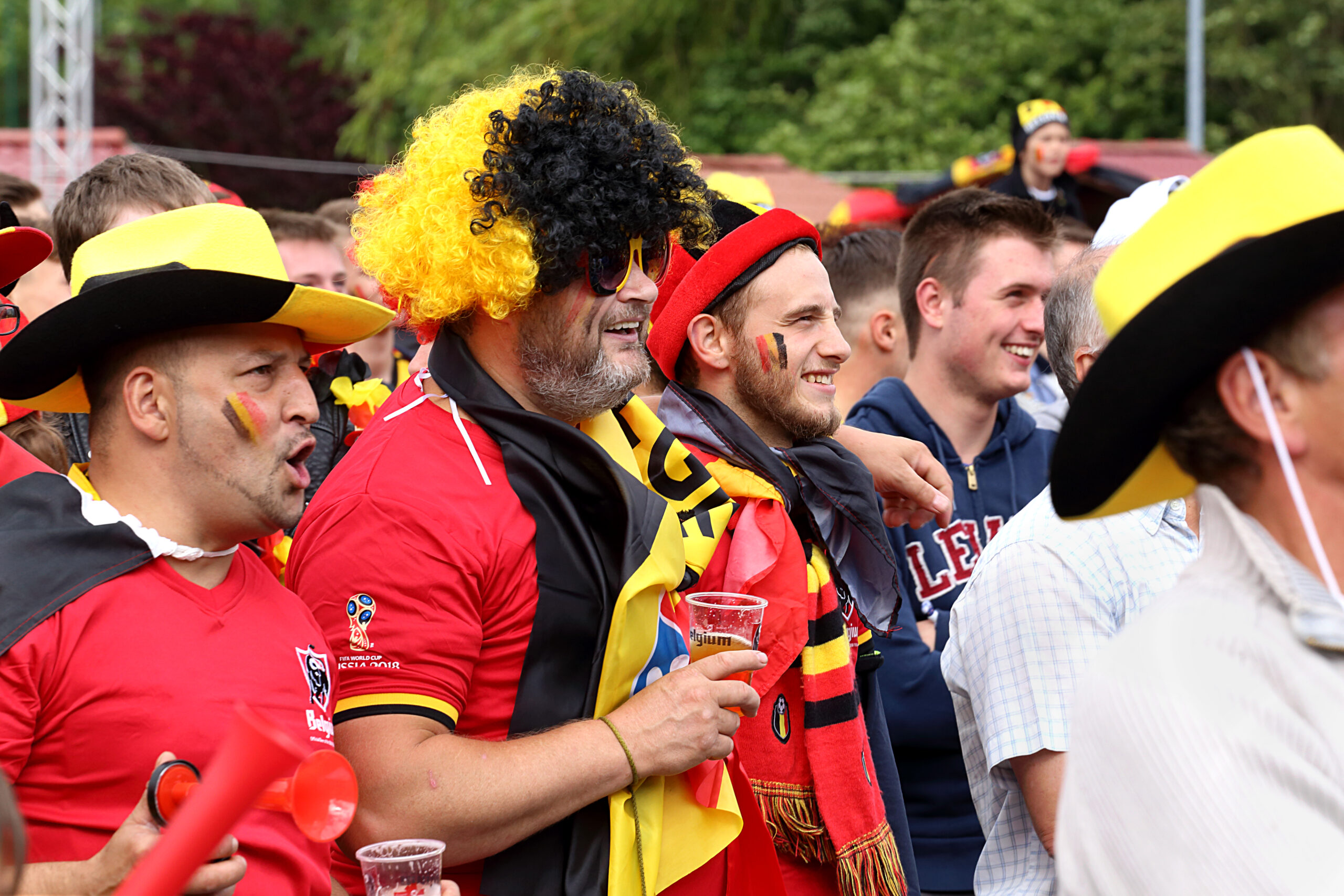
Fans from different countries became friends. They shared food, sang songs together, and took photos in the street.
This World Cup was the biggest one ever. There were 48 teams and 104 games in 16 cities. More than 6.25 million people went to the games in person!
Many fans shared videos online. They said this World Cup felt like a big “sleepover” with new friends from all over the world.
Vocabulary
- fan — someone who loves and supports a team or sport
- tournament — a series of games to find one winner
- visitor — a person who is visiting a place
- friendly — kind and welcoming to others
- stranger — someone you do not know
- culture — the food, customs, and way of life of a group of people
- host — a country or person that welcomes visitors
- memory — something you remember from the past
Comprehension Check
Discussion
- Have you ever traveled somewhere and made new friends quickly? What was that like?
- What foods or customs would you want visitors to try if they came to your country?
- Why do you think sports events can bring people from different countries together?
🟡 Intermediate
Reading
As the 2026 World Cup draws to a close, international fans who spent more than a month traveling across the United States, Mexico, and Canada are already mourning the end of the tournament — and celebrating the unexpected version of America they discovered along the way.
Throughout the 39-day event, visiting fans documented their experiences on social media, sharing everything from their first taste of ranch dressing to road-trip stops at Buc-ee’s, a sprawling Texas-based gas station chain that became an unlikely tourist attraction. Beyond the food and novelty stops, many fans highlighted the hospitality they encountered, describing Americans who invited them onto boats, into their homes, and out to Texas ranches.
The tournament itself set new records: 48 teams played 104 matches across 16 host cities, drawing more than 6.25 million in-person spectators with stadiums running at nearly full capacity. Beyond the stands, FIFA Fan Festivals drew another 7.7 million attendees, while online engagement reached unprecedented levels, with 42 million social media posts generating 7 billion engagements during the tournament’s peak weeks.
For many fans, the emotional core of the tournament wasn’t just the matches but the friendships formed along the way — strangers from different countries sharing meals, trading flags, and staying up late together. As the final approached, that sentiment turned into a wave of “World Cup withdrawal” posts, with fans describing the experience as a monthlong “global sleepover” they weren’t ready to see end.
Vocabulary
- mourn — to feel sad about the loss or ending of something
- document — to record or write down details of an experience
- hospitality — friendly and generous treatment of guests or visitors
- novelty — something new and unusual that attracts attention
- spectator — a person who watches an event
- capacity — the maximum amount a place can hold
- engagement — interaction with content, such as likes, comments, or shares
- sentiment — a feeling or opinion, especially one expressed in a general way
Comprehension Check
Discussion
- Why do you think fans built such strong emotional attachments to a temporary event?
- What role did food and everyday culture (not just soccer) play in shaping fans’ experience of America?
- Do you think an event like this can genuinely change how people from different countries see each other? Why or why not?
🔴 Advanced
Reading
As the curtain falls on the 2026 World Cup, the internet has entered what might be called a collective state of denial: international fans who spent more than a month crisscrossing the United States, Mexico, and Canada are not merely watching the tournament end — they are actively mourning it, even before the final whistle blew.
Over 39 days, the largest World Cup in history — 48 teams, 104 matches, 16 host cities — unfolded as much on social media as it did on the pitch. Visiting fans chronicled an ongoing discovery of American culture in real time: first encounters with ranch dressing, pilgrimages to Buc-ee’s, and oversized American breakfasts became recurring motifs alongside more substantive accounts of hospitality, as locals opened boats, homes, and Texas ranches to strangers wearing unfamiliar jerseys.
The tournament’s official numbers were staggering in their own right — more than 6.25 million in-person spectators, stadiums operating near full capacity, and another 7.7 million attendees at FIFA Fan Festivals — but the more striking metric may be digital: 42 million social media posts generated roughly 7 billion engagements during the tournament’s core weeks, nearly six times the equivalent figures from the 2022 tournament.
What emerges from this flood of user-generated content is a narrative that runs counter to the pre-tournament skepticism surrounding ticket prices, logistics, and the feasibility of a three-country, continent-spanning World Cup. Rather than the anticipated friction, fans instead documented an accelerated, almost artificial intimacy: strangers becoming friends within days, entire group chats and travel plans formed around shared match tickets, and a recurring meme comparing the tournament to a “giant sleepover with the cousins we never get to see.” As the final approached, that intimacy curdled into something closer to grief — a recognition that the temporary community built around a shared sporting spectacle was, by design, about to dissolve.
Vocabulary
- collective — done or shared by a group as a whole
- chronicle (verb) — to record events in the order they happened
- motif — a recurring theme or idea in a story or piece of media
- staggering — extremely impressive or shocking due to size or scale
- skepticism — doubt about whether something will succeed or is true
- feasibility — the degree to which something is possible or practical
- intimacy — a close, familiar connection between people
- curdle — to turn from something pleasant into something negative or uncomfortable
Comprehension Check
Discussion
- The article contrasts pre-tournament skepticism with the actual fan experience. What does this gap suggest about how we predict the success of large cultural events?
- Consider the idea of “accelerated intimacy” among strangers brought together by a shared event. What conditions make this kind of fast bonding possible, and how might it differ from friendships formed over longer periods?
- The article notes a huge jump in social media engagement compared to the 2022 tournament. How might the role of social media be reshaping the way people experience — and remember — major global events?
📣 Share This Lesson
International fans spent a month falling in love with America during the World Cup — new food, new friends, new memories! 🌎⚽ Read today’s story and test your English. #ESL #EnglishLearning #immersionesl
Source: “World Cup fans spent a month discovering an unexpected America — now they’re posting they aren’t ready for the tournament to end” by Becca Blond, Yahoo Creators (July 17, 2026).