
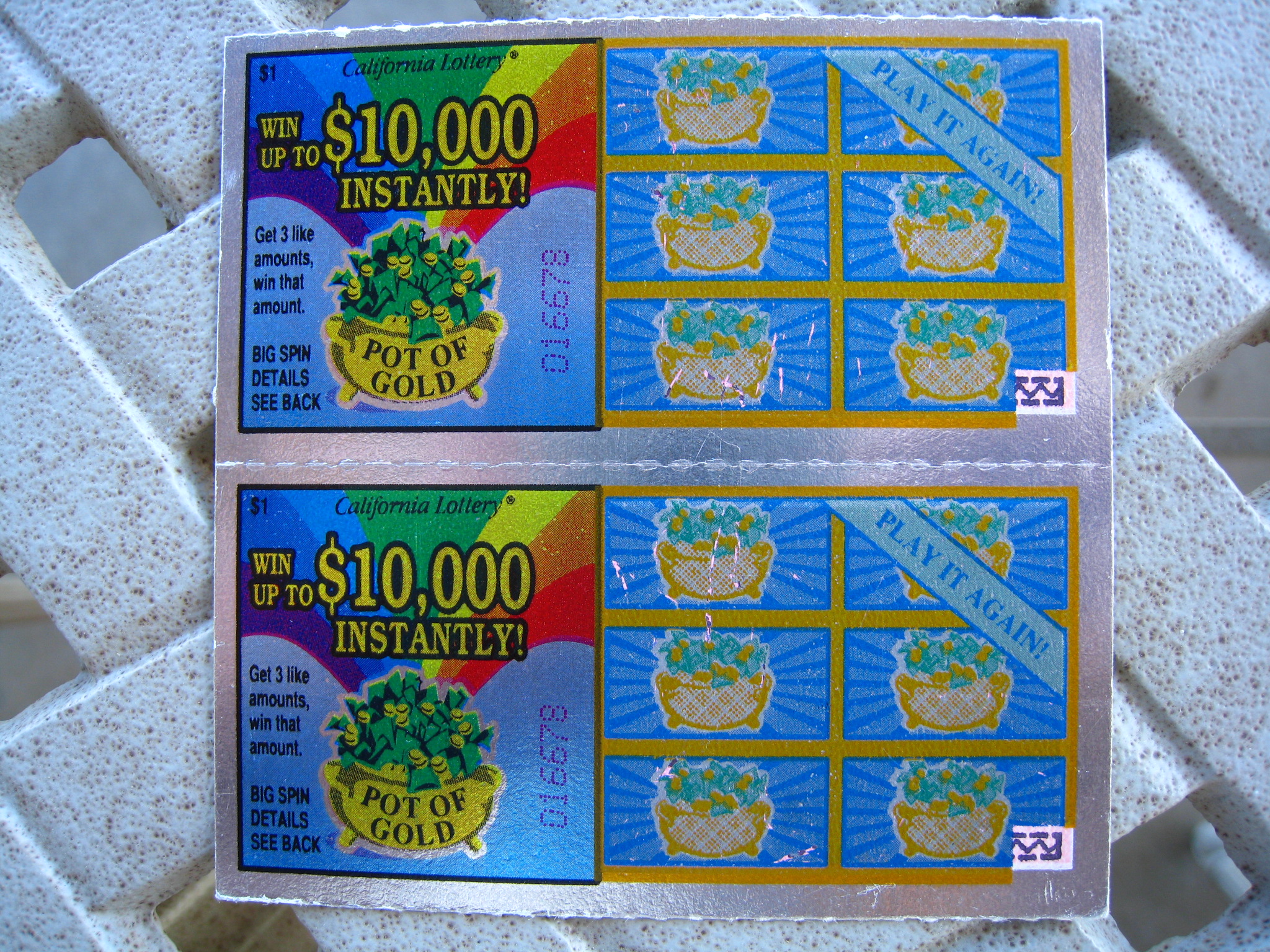
Today’s story, from UPI: Ohio man wins two big lottery prizes in one week (by Ben Hooper, UPI, July 28, 2026).
🟢 Beginner
Reading
An Ohio man bought a lottery ticket. He scratched it and could not believe his eyes.
He won a big prize. The prize was $40,000 every year for 25 years. That is $1 million in total!
The man chose to take all the money at once. He got $500,000. After taxes, he took home $366,250.
He felt very lucky. So he bought a second ticket that same week.
He won again! This time he won $25,000. After taxes, he took home $18,312.50.
The man has big plans for his money. He wants to take a longer vacation. He wants to buy a new car. He wants to help his kids and save more money.
Vocabulary
- lottery — a game where you can win money by chance
- ticket — a small card you buy to enter a game or event
- scratch — to rub the surface of something to reveal what is underneath
- prize — money or a gift you win
- total — the full amount when everything is added together
- lucky — having good things happen by chance
- taxes — money paid to the government
- vacation — a trip or time away from work
Comprehension Check
Discussion
- If you won a lot of money, what would you do with it first?
- Do you think buying lottery tickets is a good way to spend money? Why or why not?
- Have you ever felt “lucky” like the man in the story? What happened?
🟡 Intermediate
Reading
A man from Toledo, Ohio, had a very lucky week after winning two lottery prizes in a matter of days.
He bought a $50 scratch-off ticket called “Millionaire Blowout” from a local convenience store. When he scratched it, he discovered he had won a prize worth $40,000 a year for 25 years, a total of $1 million.
Rather than receive the prize in yearly payments, the man chose a one-time lump-sum payment instead. He walked away with $500,000 before taxes, or $366,250 after taxes were taken out.
Feeling fortunate, the man decided to buy a second ticket later that same week. That ticket won him an additional $25,000, worth $18,312.50 after taxes.
The winner said his new fortune will let him extend an upcoming vacation, buy a new vehicle, help support his children, and add to his savings.
Vocabulary
- convenience store — a small local shop selling everyday items
- scratch-off — a type of lottery ticket you scratch to reveal a prize
- lump-sum — one single full payment instead of many smaller ones
- payment — an amount of money given or received
- fortunate — lucky
- additional — extra, added to what already exists
- fortune — a large amount of money
- support — to provide for someone’s needs
Comprehension Check
Discussion
- Winning a large prize in a lump sum versus smaller payments over many years are very different choices. Which would you choose, and why?
- The article says winning the first prize made him feel lucky enough to buy a second ticket. Do you think this reasoning makes sense, or is it a common misunderstanding about luck and probability?
- How might someone’s spending plans change immediately after receiving unexpected money like this?
🔴 Advanced
Reading
A Toledo, Ohio, man experienced a remarkable stroke of luck this week, winning not one but two lottery prizes within a matter of days.
The winning streak began when he purchased a $50 scratch-off ticket, part of the state lottery’s “Millionaire Blowout” game, from a local convenience store. Scratching off the ticket revealed a prize valued at $40,000 annually for 25 years, amounting to a total payout of $1 million.
Given the choice between structured annual payments and a single lump sum, the winner opted for the latter, receiving $500,000 before taxes and $366,250 after withholding.
Emboldened by his good fortune, he purchased a second ticket later that same week, netting an additional $25,000 prize, or $18,312.50 after taxes.
The winner indicated that his newfound wealth would go toward extending an upcoming vacation, purchasing a new vehicle, supporting his children financially, and bolstering his personal savings.
Vocabulary
- remarkable — worthy of attention, unusual or striking
- winning streak — a series of consecutive wins over a short period
- payout — a sum of money paid out, especially as a prize or winnings
- structured — arranged according to a plan or system
- opted — chose one option from a set of possibilities
- emboldened — made more confident or courageous
- netting — gaining or earning as a profit or result
- bolstering — strengthening or supporting something
Comprehension Check
Discussion
- The article frames the man’s second purchase as a result of feeling “emboldened” by his first win. What does this suggest about how success or good fortune can influence future risk-taking?
- Lottery winners often face a choice between a smaller lump sum and larger payments spread over time. What financial and psychological factors might influence that decision?
- Consider the framing of this story as “odd news” rather than straightforward financial news. What makes an unlikely event like this newsworthy or entertaining to readers?
📣 Share This Lesson
One ticket, then another — an Ohio man won two lottery prizes in the same week! 🎫🍀 Read today’s story and test your English. #ESL #EnglishLearning #immersionesl
Source: “Ohio man wins two big lottery prizes in one week” by Ben Hooper, UPI (July 28, 2026).